
Some family relationships flow easily. Calls are returned, visits are welcomed, gifts are remembered, and affection is exchanged without effort. Maintaining such relationships is good, but it does not reveal the full meaning of ṣilat al-raḥim.
The true test begins when the invitation is not returned, the call is ignored, the relative grows distant, or an old wound settles between two branches of the same family. It begins when pride whispers: “Let them come to you first.”
That is when maintaining family ties becomes more than social courtesy. It becomes an act of worship.
Allah Almighty says:
(وَاتَّقُوا اللَّهَ الَّذِي تَسَاءَلُونَ بِهِ وَالْأَرْحَامَ إِنَّ اللَّهَ كَانَ عَلَيْكُمْ رَقِيبًا)
“And be mindful of Allah, in Whose Name you appeal to one another, and honor family ties. Surely Allah is ever Watchful over you.”
Al-Nisāʾ 4:1.
At the beginning of Sūrat al-Nisāʾ, Allah joins consciousness of Him with reverence for family ties. The relationship is not accidental. The Arabic word for kinship, raḥim, comes from the same root as mercy, raḥmah, and is connected in the Prophetic teachings to the Name of Allah, al-Raḥmān.
The Prophet ﷺ reported that Allah Almighty said:
«أَنَا الرَّحْمَنُ، وَهِيَ الرَّحِمُ، شَقَقْتُ لَهَا اسْمًا مِنِ اسْمِي، مَنْ وَصَلَهَا وَصَلْتُهُ، وَمَنْ قَطَعَهَا بَتَتُّهُ»
“I am al-Raḥmān, and this is the womb. I derived its name from My Name. Whoever maintains it, I shall maintain My connection with him, and whoever severs it, I shall cut him off.”
Family ties were therefore not meant to rest upon blood alone. They were meant to be carried by mercy. Blood establishes the relationship, but mercy protects it from becoming an empty name.
The Prophet ﷺ also said:
«الرَّحِمُ مُعَلَّقَةٌ بِالْعَرْشِ تَقُولُ: مَنْ وَصَلَنِي وَصَلَهُ اللَّهُ، وَمَنْ قَطَعَنِي قَطَعَهُ اللَّهُ»
“Kinship is suspended from the Throne, saying: ‘Whoever maintains me, Allah will maintain His connection with him, and whoever severs me, Allah will cut him off.’”
Narrated by al-Bukhārī and Muslim.
This is far more serious than a family disagreement or a forgotten social obligation. A person’s treatment of family is connected to their relationship with Allah.
Family ties begin with parents, children, siblings, grandparents, and grandchildren, then extend to paternal and maternal uncles and aunts, nephews, nieces, cousins, and more distant blood relatives. The closer the relationship, the greater its right. Spouses and relatives by marriage also have important Islamic rights, although ṣilat al-raḥim in its specific sense primarily concerns relatives joined through blood.
Yet maintaining these ties does not take one fixed form. It changes according to distance, circumstances, ability, need, and what people customarily recognize as connection.
It may mean visiting, calling, sending a thoughtful message, welcoming relatives into the home, offering financial support, caring for the elderly and ill, sharing lawful occasions of joy, standing beside them in bereavement, giving gifts, reconciling disputes, guiding younger relatives gently, protecting a relative’s honor in their absence, or simply making sincere duʿā’ for them.
It may mean calling the aunt whom everyone assumes someone else has called, checking upon an elderly uncle after he can no longer offer the family anything, helping a struggling cousin discreetly, or teaching children the names and stories of relatives who live far away.
A family group chat is not always the same as family connection. We may see relatives’ messages and photographs every day while knowing nothing about their loneliness, illness, debt, grief, or fear. Technology can help us cross distance, but it can also give us the illusion that we have remained connected when we have merely remained informed.
Allah Almighty says:
(وَالَّذِينَ يَصِلُونَ مَا أَمَرَ اللَّهُ بِهِ أَنْ يُوصَلَ وَيَخْشَوْنَ رَبَّهُمْ وَيَخَافُونَ سُوءَ الْحِسَابِ)
“Those who maintain what Allah has commanded to be maintained, stand in awe of their Lord, and fear a severe reckoning.”
Al-Raʿd 13:21.
Maintaining family ties is mentioned here among the qualities of people who understand their covenant with Allah. They do not preserve relationships merely because relatives are pleasant, appreciative, or useful. They preserve what Allah commanded to be preserved.
This is why the Prophet ﷺ said:
«لَيْسَ الْوَاصِلُ بِالْمُكَافِئِ، وَلَكِنَّ الْوَاصِلَ الَّذِي إِذَا قُطِعَتْ رَحِمُهُ وَصَلَهَا»
“The one who maintains family ties is not merely the one who reciprocates. The true maintainer is the one who reconnects when his relatives cut him off.”
Narrated by al-Bukhārī.
If you visit because they visited, call because they called, and give because they gave, you have responded with goodness, and this is praiseworthy. But the true maintainer is revealed when the exchange stops on the other side.
The Prophet ﷺ advised ʿUqbah ibn ʿĀmir, may Allah be pleased with him:
«يَا عُقْبَةُ، صِلْ مَنْ قَطَعَكَ، وَأَعْطِ مَنْ حَرَمَكَ، وَاعْفُ عَمَّنْ ظَلَمَكَ»
“O ʿUqbah, connect with those who cut you off, give to those who withhold from you, and pardon those who wrong you.”
Narrated by Aḥmad.
This is a high station of character. It does not mean pretending that no wrong occurred, nor does it require surrendering wisdom or boundaries. It means refusing to make another person’s failure the measure of our own obedience to Allah.
A man once came to the Prophet ﷺ and said:
«إِنَّ لِي قَرَابَةً أَصِلُهُمْ وَيَقْطَعُونِي، وَأُحْسِنُ إِلَيْهِمْ وَيُسِيئُونَ إِلَيَّ، وَأَحْلُمُ عَنْهُمْ وَيَجْهَلُونَ عَلَيَّ»
“I have relatives whose ties I maintain, but they cut me off. I treat them well, but they mistreat me. I remain patient with them, but they behave ignorantly toward me.”
The Prophet ﷺ told him that, if matters were as he described, it was as though they were filling their mouths with hot ashes, and that support from Allah would remain with him as long as he continued upon that goodness.
Narrated by Muslim.
The Prophet ﷺ did not promise that his relatives would change quickly. He redirected the man’s attention toward Allah. Maintaining kinship is first an act between the servant and their Lord. Its value does not depend upon receiving the response we hoped for.
This does not mean we should remind relatives endlessly of our generosity. If every visit is counted, every gift recorded, and every unreturned call placed on a scale, the relationship becomes a transaction. The one who connects for Allah does not continually announce: “I am always the one who calls.”
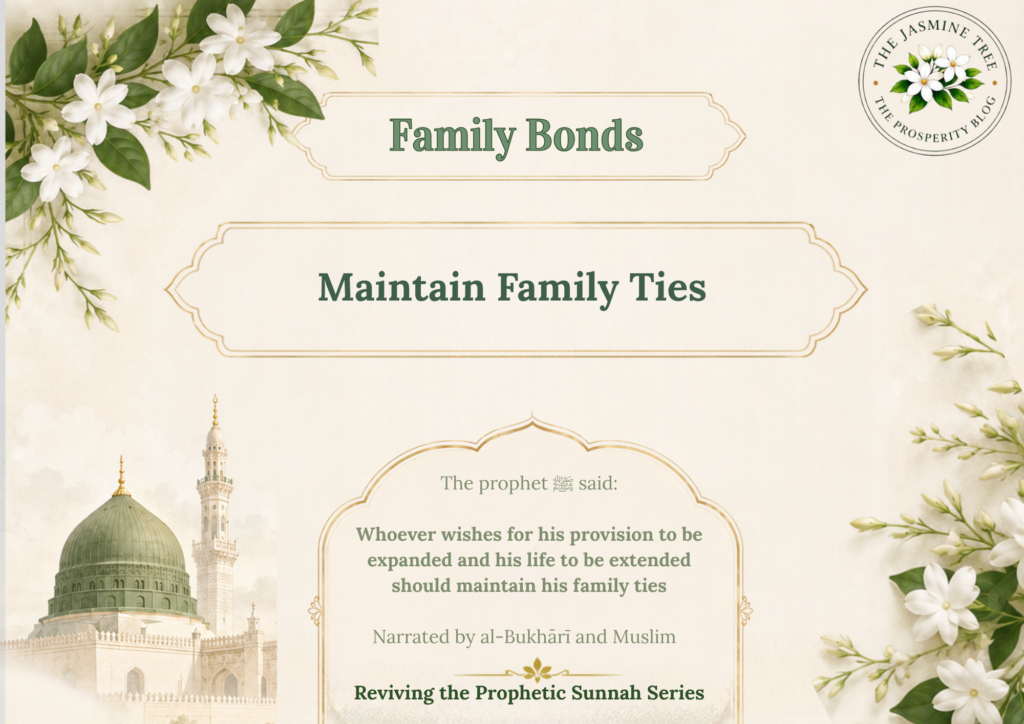
The reward of maintaining family ties is not confined to the Hereafter. The Prophet ﷺ said:
«مَنْ أَحَبَّ أَنْ يُبْسَطَ لَهُ فِي رِزْقِهِ، وَيُنْسَأَ لَهُ فِي أَثَرِهِ، فَلْيَصِلْ رَحِمَهُ»
“Whoever wishes for his provision to be expanded and his life to be extended should maintain his family ties.”
Narrated by al-Bukhārī and Muslim.
Scholars explained this extension as an actual increase decreed by Allah, blessing placed within one’s years and accomplishments, or both. A connected family can also become a form of provision in itself: people who know our history, carry us in illness, remember our children, stand beside us in grief, and prevent us from facing life entirely alone.
But the warnings against severing these ties are equally serious. The Prophet ﷺ said:
«لَا يَدْخُلُ الْجَنَّةَ قَاطِعٌ»
“One who severs family ties will not enter Paradise.”
Narrated by al-Bukhārī and Muslim.
Allah Almighty says:
(فَهَلْ عَسَيْتُمْ إِنْ تَوَلَّيْتُمْ أَنْ تُفْسِدُوا فِي الْأَرْضِ وَتُقَطِّعُوا أَرْحَامَكُمْ أُولَئِكَ الَّذِينَ لَعَنَهُمُ اللَّهُ فَأَصَمَّهُمْ وَأَعْمَى أَبْصَارَهُمْ)
“Would you then, if given authority, spread corruption in the land and sever your family ties? These are the ones Allah has condemned, leaving them deaf and blinding their sight.”
Muḥammad 47:22–23.
The Qur’an connects severing families with corruption in the earth because the consequences do not stop with two people who refuse to speak. Children inherit disputes whose beginnings they do not understand. Cousins grow into strangers. Elderly parents are divided between opposing sides. Weddings and funerals become fields of tension. Wealth is lost in inheritance battles, and hatred travels from one generation to the next.
One of the most powerful examples of resisting this cycle is the story of Abū Bakr al-Ṣiddīq and Misṭaḥ ibn Uthāthah, may Allah be pleased with them.
Misṭaḥ was a poor relative whom Abū Bakr regularly supported. Yet he participated in spreading the false accusation against ʿĀʾishah, the daughter of Abū Bakr and beloved wife of the Prophet ﷺ, may Allah be pleased with her. This was not a minor insult or an ordinary disagreement. It was a wound that struck the honor of his daughter and shook the entire Prophetic household.
Abū Bakr swore that he would never support Misṭaḥ again. Then Allah revealed:
﴿وَلَا يَأْتَلِ أُولُو الْفَضْلِ مِنْكُمْ وَالسَّعَةِ أَنْ يُؤْتُوا أُولِي الْقُرْبَى وَالْمَسَاكِينَ وَالْمُهَاجِرِينَ فِي سَبِيلِ اللَّهِ وَلْيَعْفُوا وَلْيَصْفَحُوا أَلَا تُحِبُّونَ أَنْ يَغْفِرَ اللَّهُ لَكُمْ وَاللَّهُ غَفُورٌ رَحِيمٌ﴾
“Let not those of virtue and wealth among you swear to withhold assistance from their relatives, the needy, and the emigrants in Allah’s cause. Let them pardon and overlook. Do you not love that Allah should forgive you? Allah is Most Forgiving, Most Merciful.”
Al-Nūr 24:22.
Abū Bakr replied, “Yes, by Allah, I love that Allah should forgive me.” He resumed his support of Misṭaḥ and vowed never to withdraw it again.
Abū Bakr did not forgive because the offense was small. He forgave despite its enormity because his hope for Allah’s forgiveness was greater than his desire to punish the one who had wounded him.
This story should not be used carelessly to silence someone who is still being abused or to demand instant reconciliation before truth, safety, and accountability are established. It teaches us, however, not to convert even a justified wound into permanent revenge when a path toward principled forgiveness remains open.
The story of the Prophet Yūsuf, peace be upon him, carries the same lesson across an even longer history of family betrayal. His own brothers cast him into a well, separated him from his beloved father, and set in motion years of enslavement, temptation, imprisonment, and grief.
Yet when Allah gave Yūsuf authority over them and the truth finally stood clear, he said:
(لَا تَثْرِيبَ عَلَيْكُمُ الْيَوْمَ يَغْفِرُ اللَّهُ لَكُمْ وَهُوَ أَرْحَمُ الرَّاحِمِينَ)
“No blame will there be upon you today. May Allah forgive you, for He is the Most Merciful of those who show mercy.”
Yūsuf 12:92.
This was forgiveness with power, not surrender before continued oppression. The circumstances had changed, the truth had emerged, and Yūsuf possessed the ability to protect himself. His pardon ended a cycle of family harm rather than enabling it to continue.
Maintaining kinship also crosses differences of faith. Asmāʾ bint Abī Bakr, may Allah be pleased with her, asked the Prophet ﷺ about her mother, who had come to her while still a polytheist. She asked whether she should maintain relations with her. The Prophet ﷺ replied:
«نَعَمْ، صِلِي أُمَّكِ»
“Yes, maintain relations with your mother.”
Narrated by al-Bukhārī and Muslim.
A relative’s disbelief does not cancel their kinship. A Muslim does not obey anyone in disbelief or sin, but kindness, help, gifts, respectful companionship, and family concern remain. We must not use religious difference as an excuse for cruelty when Allah has commanded justice and good conduct.
Financial care is another important form of connection. Allah says:
(وَآتِ ذَا الْقُرْبَى حَقَّهُ وَالْمِسْكِينَ وَابْنَ السَّبِيلِ)
“Give the close relative their due, as well as the needy and the traveler.”
Al-Isrāʾ 17:26.
The Qur’an calls it a right, not merely an optional favor.
The Prophet ﷺ said:
«الصَّدَقَةُ عَلَى الْمِسْكِينِ صَدَقَةٌ، وَعَلَى ذِي الرَّحِمِ اثْنَتَانِ: صَدَقَةٌ وَصِلَةٌ»
“Charity given to a poor person is charity, while charity given to a relative is two things: charity and the maintenance of kinship.”
Abū Ṭalḥah, may Allah be pleased with him, understood this when he offered his beloved garden, Bayruḥāʾ, in charity after Allah revealed:
(لَنْ تَنَالُوا الْبِرَّ حَتَّى تُنْفِقُوا مِمَّا تُحِبُّونَ)
“You will never attain righteousness until you spend from that which you love.”
Āl ʿImrān 3:92.
The Prophet ﷺ praised his gift but advised him:
«وَإِنِّي أَرَى أَنْ تَجْعَلَهَا فِي الْأَقْرَبِينَ»
“I believe you should give it to your nearest relatives.”
Abū Ṭalḥah then distributed it among his relatives and cousins.
Narrated by al-Bukhārī and Muslim.
It is possible to become known for public generosity while remaining unaware of private hardship within one’s family. Helping strangers is noble, but it should not become a way of avoiding relatives whose needs are less visible or whose gratitude may attract less praise.
Maintaining family ties, however, does not mean granting every relative unlimited access to our lives. Islam does not command a person to remain exposed to violence, manipulation, humiliation, or serious psychological harm.
A person is not required to leave children alone with an unsafe relative, disclose private matters to someone who repeatedly weaponizes them, finance addiction or wrongdoing, remain in corrupt gatherings, or obey a relative in sin.
Sometimes the safest form of connection is a brief greeting, a limited call, a message on important occasions, a gift sent through someone trustworthy, financial help paid directly toward a genuine need, asking about the relative through another person, or visiting only in the presence of safe people.
Distance may sometimes be necessary, but distance should be measured by need, not revenge. The goal is to protect oneself and one’s dependents from harm without allowing hatred, arrogance, or the desire to punish to become deliberate severance.
Our age has multiplied the excuses for family distance. War and forced displacement have scattered relatives across continents. Work, education, and marriage move people far from parents and siblings. Long workdays exhaust us, screens consume our attention, and individualism teaches us to view every obligation as an intrusion upon personal freedom.
Disagreements over inheritance can divide families for decades. Political arguments can silence siblings. Marriages may be burdened by one spouse pressuring the other to abandon relatives. Parents sometimes create rivalry by comparing children, while adult children carry those resentments into the next generation.
Other families are not divided by a dramatic conflict at all. They simply fade from one another’s lives through postponement. Everyone is busy, everyone assumes there will be another week, and no one notices how long it has been since the last sincere conversation.
We should not wait for weddings and funerals to introduce our children to their cousins. We should teach them the names, stories, sacrifices, and places of their grandparents, aunts, and uncles. We should not make children carry adult feuds or use them as messengers between people who refuse to speak directly.
We should ask elderly relatives what they truly need, not only what is easy for us to offer. We should resolve inheritance matters promptly and justly. We should replace rare, impressive gestures with small, dependable acts. A regular ten-minute call may preserve a relationship more effectively than an elaborate visit once every several years.
And we should stop waiting for the older person, the wealthier person, or the one who “started the problem” to call first.
Family ties are not maintained because every relative is easy, grateful, emotionally healthy, or fair. They are maintained because Allah commanded certain bonds to be honored.
Sometimes maintaining them will bring immediate warmth. Sometimes it will be met with silence. Sometimes it will require forgiveness, and sometimes wisdom will require a boundary. But the believer continues to ask: What form of connection can I preserve for Allah without enabling harm?
The true test of ṣilat al-raḥim begins when affection is not returned, invitations are not reciprocated, old wounds remain, and pride says: “Let them come to me first.”
That is when the Prophetic instruction becomes a living act of worship:
«صِلْ مَنْ قَطَعَكَ، وَأَعْطِ مَنْ حَرَمَكَ، وَاعْفُ عَمَّنْ ظَلَمَكَ»
“Connect with those who cut you off, give to those who withhold from you, and pardon those who wrong you.”
صِلُوا أرحامكم
من الأرحام ما يسهل وصله، فتُرَدّ المكالمة، ويُقابَل الزائر بالبِشر، وتُحفَظ الهدية، ويجري الود بين الطرفين من غير كلفة، وهذه صلة محمودة، غير أنها لا تكشف عن حقيقة صلة الرحم كلها، ولا تبلغ بصاحبها أعلى منازلها
إنما يبدأ الامتحان حين لا تُقابَل الدعوة بمثلها، ولا يُرَد الاتصال، ويختار القريب البعد، أو تستقر بين فرعين من أسرة واحدة جراح قديمة، ويهمس الكبر في النفس: دَعْهم يبدؤوا، ولْيأتوا هم إليك أولًا
عندها تخرج صلة الرحم من حدود المجاملة الاجتماعية لتصبح عبادة يتقرب بها العبد إلى الله
:قال الله تعالى
(وَاتَّقُوا اللَّهَ الَّذِي تَسَاءَلُونَ بِهِ وَالْأَرْحَامَ إِنَّ اللَّهَ كَانَ عَلَيْكُمْ رَقِيبًا)
النساء: 1
في مطلع سورة النساء قرن الله تقواه بتعظيم الأرحام وصيانة حقوقها، وليس هذا الاقتران عارضًا، فكلمة الرَّحِم من مادة الرَّحمة، وقد ربطها الهدي النبوي باسم الله الرَّحمن
:قال رسول الله ﷺ فيما يرويه عن ربه عز وجل
«أَنَا اللَّهُ، وَأَنَا الرَّحْمَنُ، خَلَقْتُ الرَّحِمَ، وَشَقَقْتُ لَهَا مِنِ اسْمِي، فَمَنْ وَصَلَهَا وَصَلْتُهُ، وَمَنْ قَطَعَهَا بَتَتُّهُ»
فالروابط العائلية لم تُخلق لتقوم على وحدة الدم وحدها، وإنما أُريد لها أن تُحمَل على الرحمة، فالنسب ينشئ الرابطة، لكن الرحمة هي التي تحفظها من أن تصير اسمًا خاليًا من معناه
:وقال رسول الله ﷺ
«الرَّحِمُ مُعَلَّقَةٌ بِالْعَرْشِ تَقُولُ: مَنْ وَصَلَنِي وَصَلَهُ اللَّهُ، وَمَنْ قَطَعَنِي قَطَعَهُ اللَّهُ»
رواه البخاري ومسلم
فليست القطيعة مجرد إخفاق اجتماعي، ولا خلافًا عابرًا ينتهي أثره عند حدود الأسرة، وإنما تتصل معاملة الإنسان لرحمه بصلته بربه، ومن وصل ما أمر الله به أن يوصل وصله الله برحمته ولطفه وتوفيقه، ومن قطع رحمه متعمدًا بغير حق عرّض نفسه لهذا الوعيد الشديد
وتبدأ الأرحام بالوالدين والأولاد، والإخوة والأخوات، والأجداد والجدات، والأحفاد، ثم الأعمام والعمات، والأخوال والخالات، وأبنائهم وبناتهم، وسائر الأقارب، وكلما قربت الرحم عظم حقها واشتد وجوب مراعاتها
أما الزوجان وأقارب المصاهرة فلهم حقوق عظيمة قررها الشرع، وإن كانت صلة الرحم في معناها الخاص تتعلق ابتداءً بالأقارب من جهة النسب
وليست للصلة صورة واحدة تلزم الناس جميعًا، بل تتبدل صورها باختلاف القرب والبعد، والقدرة والحاجة، وأحوال الأقارب، وما يعده الناس في عرفهم صلة وإحسانًا
فقد تكون الصلة زيارة، أو اتصالًا، أو رسالة صادقة، أو حسن استقبال، أو نفقة على محتاج، أو رعاية لمريض وكبير، أو مشاركة في فرح مباح، أو مواساة في مصيبة، أو هدية، أو إصلاحًا بين متخاصمين، أو تعليمًا للصغار، أو توجيهًا رفيقًا، أو حفظًا لعرض القريب في غيبته، أو دعاءً خالصًا له بظهر الغيب
وقد تكون أن تتصل بعمة يظن الجميع أن غيرهم قد سأل عنها، أو تتفقد خالًا مسنًّا بعدما عجز عن تقديم شيء لأحد، أو تعين قريبًا أثقلته الحاجة من غير أن تكشف ستره، أو تعرّف أبناءك بأسماء أقاربهم وحكاياتهم ومواطنهم وإن باعدت بينهم البلاد
وليست مجموعة العائلة على الهاتف دليلًا كافيًا على بقاء الصلة، فقد نرى صور أقاربنا ورسائلهم كل يوم، ثم لا نعلم شيئًا عن وحدتهم، أو مرضهم، أو ديونهم، أو حزنهم، أو خوفهم، فالتقنية قد تعيننا على عبور المسافات، وقد تمنحنا في الوقت نفسه وهم القرب، فنكون مطلعين على الأخبار من غير أن نكون حاضرين في الحياة
:قال الله تعالى
(وَالَّذِينَ يَصِلُونَ مَا أَمَرَ اللَّهُ بِهِ أَنْ يُوصَلَ وَيَخْشَوْنَ رَبَّهُمْ وَيَخَافُونَ سُوءَ الْحِسَابِ)
الرعد: 21
ذكر الله صلة ما أمر به أن يوصل في صفات أهل البصيرة الذين يوفون بعهده ويخشونه، فهم لا يصلون لأن أقاربهم لطفاء، أو ممتنون، أو نافِعون، بل لأن الله أمرهم أن يحفظوا هذه الروابط
:ومن هنا قال النبي ﷺ
«لَيْسَ الْوَاصِلُ بِالْمُكَافِئِ، وَلَكِنَّ الْوَاصِلَ الَّذِي إِذَا قُطِعَتْ رَحِمُهُ وَصَلَهَا»
رواه البخاري
فمن زار لأنهم زاروه، واتصل لأنهم اتصلوا به، وأهدى لأنهم أهدوا إليه، فقد قابل الإحسان بالإحسان، وهو عمل محمود، غير أن حقيقة الواصل تظهر حين تنقطع المكافأة من الطرف الآخر
:وقد أوصى النبي ﷺ عقبة بن عامر رضي الله عنه فقال
«يَا عُقْبَةُ، صِلْ مَنْ قَطَعَكَ، وَأَعْطِ مَنْ حَرَمَكَ، وَاعْفُ عَمَّنْ ظَلَمَكَ»
رواه أحمد
وهذه منزلة عالية من مكارم الأخلاق، ولا تعني إنكار وقوع الظلم، ولا إسقاط الحكمة والحدود، وإنما تعني ألا نجعل تقصير الآخرين مقياسًا لطاعتنا نحن، ولا نسمح لإساءتهم أن تختار لنا أخلاقنا
:وجاء رجل إلى رسول الله ﷺ فقال
«إِنَّ لِي قَرَابَةً أَصِلُهُمْ وَيَقْطَعُونِي، وَأُحْسِنُ إِلَيْهِمْ وَيُسِيئُونَ إِلَيَّ، وَأَحْلُمُ عَنْهُمْ وَيَجْهَلُونَ عَلَيَّ»
:فقال له النبي ﷺ
«لَئِنْ كُنْتَ كَمَا قُلْتَ فَكَأَنَّمَا تُسِفُّهُمُ الْمَلَّ، وَلَا يَزَالُ مَعَكَ مِنَ اللَّهِ ظَهِيرٌ عَلَيْهِمْ مَا دُمْتَ عَلَى ذَلِكَ»
رواه مسلم
أي إن كنت صادقًا فيما وصفت، فكأنما تطعمهم الرماد الحار لما يلحقهم من الإثم بإساءتهم إليك مع إحسانك إليهم، ولا يزال معك من الله معين وناصر ما دمت ثابتًا على هذا الخلق
ولم يَعِدْه النبي ﷺ بأن أقاربه سيتغيرون سريعًا، وإنما وجّه قلبه إلى الله، فصلة الرحم عبادة بين العبد وربه قبل أن تكون معاملة بينه وبين أقاربه، ولا تبطل قيمتها لأن القريب لم يستجب كما كنا نرجو
ولا يعني ذلك أن نحصي على الناس معروفنا، فنعد كل زيارة، ونسجل كل هدية، ونزن كل اتصال لم يُرَد بمثله، فإذا فعلنا تحولت الصلة إلى مقايضة، أما من يصل لله فلا يظل يردد: أنا دائمًا من يبدأ، وأنا وحدي من يتصل
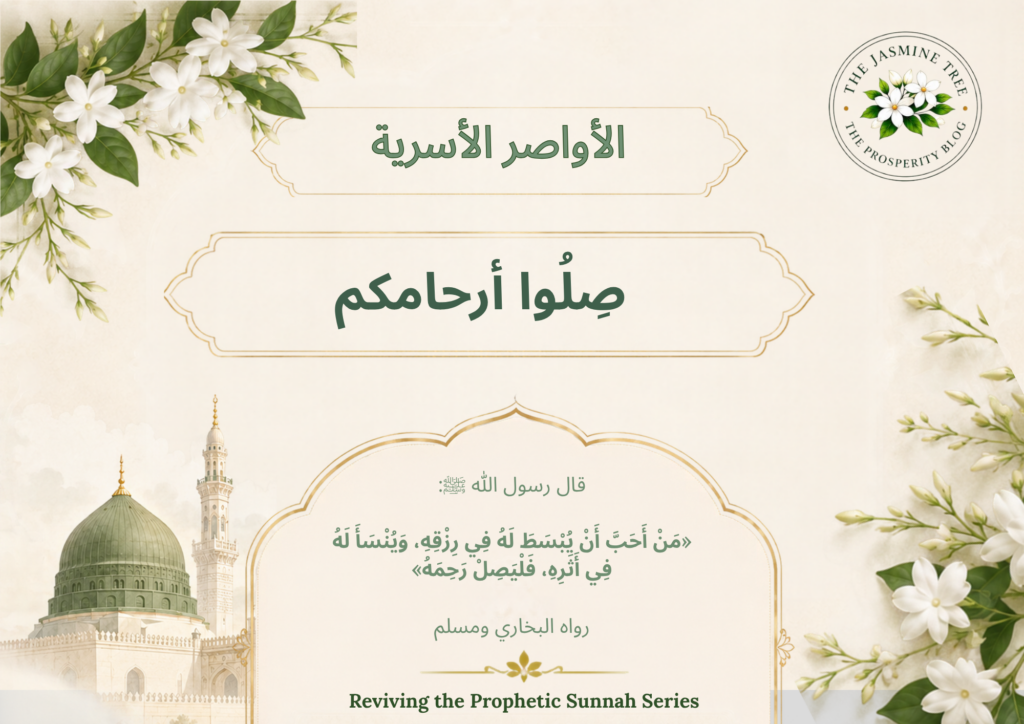
:ولم يجعل الله ثواب صلة الرحم مؤجلًا كله إلى الآخرة، بل عجل للواصل من بركاتها في دنياه، فقال رسول الله ﷺ
«مَنْ أَحَبَّ أَنْ يُبْسَطَ لَهُ فِي رِزْقِهِ، وَيُنْسَأَ لَهُ فِي أَثَرِهِ، فَلْيَصِلْ رَحِمَهُ»
رواه البخاري ومسلم
وقد حمل العلماء الزيادة في الأثر على الزيادة في العمر، أو البركة فيه وفي الأعمال التي ينجزها المرء خلاله، أو على الأمرين جميعًا
والأسرة المترابطة نفسها رزق، ففيها من يعرف تاريخنا، ويحمل معنا مرضنا، ويحفظ أبناءنا، ويواسينا عند الفقد، ويحول دون أن نواجه الحياة وحدنا
:وكما عظمت البشارة للواصل، اشتد الوعيد على القاطع، فقال رسول الله ﷺ
«لَا يَدْخُلُ الْجَنَّةَ قَاطِعٌ»
رواه البخاري ومسلم
:وقال الله تعالى
(فَهَلْ عَسَيْتُمْ إِنْ تَوَلَّيْتُمْ أَنْ تُفْسِدُوا فِي الْأَرْضِ وَتُقَطِّعُوا أَرْحَامَكُمْ أُولَئِكَ الَّذِينَ لَعَنَهُمُ اللَّهُ فَأَصَمَّهُمْ وَأَعْمَى أَبْصَارَهُمْ)
محمد: 22–23
ربط القرآن بين تقطيع الأرحام والفساد في الأرض، لأن أثر القطيعة لا ينتهي عند شخصين امتنعا عن الكلام، بل يرث الأبناء خصومات لا يعرفون كيف بدأت، ويكبر أبناء العمومة والخؤولة غرباء، وينقسم الآباء المسنون بين أطراف متنازعة، وتتحول الأعراس ومجالس العزاء إلى مواطن توتر، وتضيع الأموال في نزاعات الميراث، وينتقل البغض من جيل إلى جيل
ومن أعظم النماذج في إيقاف هذه الدائرة قصة أبي بكر الصديق ومسطح بن أثاثة رضي الله عنهما
كان مسطح قريبًا فقيرًا لأبي بكر، وكان أبو بكر ينفق عليه، ثم خاض مسطح مع من خاض في الإفك الذي قُذفت به أم المؤمنين عائشة رضي الله عنها، ابنة أبي بكر وزوج رسول الله ﷺ
ولم تكن تلك كلمة يسيرة ولا خصومة عابرة، بل كانت جرحًا أصاب شرف ابنته، وهز البيت النبوي، وآلم رسول الله ﷺ وآل أبي بكر والمسلمين جميعًا
:فحلف أبو بكر ألا ينفق على مسطح بعد ذلك، فأنزل الله تعالى
(وَلَا يَأْتَلِ أُولُو الْفَضْلِ مِنْكُمْ وَالسَّعَةِ أَنْ يُؤْتُوا أُولِي الْقُرْبَى وَالْمَسَاكِينَ وَالْمُهَاجِرِينَ فِي سَبِيلِ اللَّهِ وَلْيَعْفُوا وَلْيَصْفَحُوا أَلَا تُحِبُّونَ أَنْ يَغْفِرَ اللَّهُ لَكُمْ وَاللَّهُ غَفُورٌ رَحِيمٌ)
النور: 22
فقال أبو بكر رضي الله عنه: بلى والله، إني لأحب أن يغفر الله لي، ثم أعاد إلى مسطح نفقته، وقال: والله لا أنزعها منه أبدًا
لم يعف أبو بكر لأن الإساءة كانت هينة، وإنما عفا على عظمها، لأن رجاءه مغفرة الله كان أعظم من رغبته في معاقبة من أساء إليه
ولا ينبغي أن تُستعمل هذه القصة لإسكات من لا يزال يتعرض للأذى، أو لإجبار المظلوم على مصالحة عاجلة قبل ظهور الحقيقة، وتحقق الأمان، وقيام المسؤولية، لكنها تعلمنا ألا نحول الجرح، وإن كان حقًا، إلى ثأر دائم ما دام سبيل العفو المنضبط مفتوحًا
وفي قصة يوسف عليه السلام المعنى نفسه بعد تاريخ أطول من خيانة الأقربين، فقد ألقاه إخوته في الجب، وفصلوا بينه وبين أبيه الحبيب، وكان فعلهم سببًا فيما مر به من الرق والفتنة والسجن وطول الغربة
:ثم لما مكّن الله له، ووقف إخوته بين يديه، وظهرت الحقيقة، قال
(لَا تَثْرِيبَ عَلَيْكُمُ الْيَوْمَ يَغْفِرُ اللَّهُ لَكُمْ وَهُوَ أَرْحَمُ الرَّاحِمِينَ)
يوسف: 92
كان هذا عفو القادر، لا استسلام العاجز لظلم متجدد، فقد تغيرت الظروف، وانكشف الحق، وصار يوسف قادرًا على حماية نفسه، فجاء عفوه ليوقف سلسلة الأذى العائلي، لا ليفتح بابًا لاستمرارها
:ولا تسقط صلة الرحم باختلاف الدين، فقد قدمت أم أسماء بنت أبي بكر رضي الله عنها عليها وهي مشركة، فسألت أسماء رسول الله ﷺ: أفأصل أمي؟ فقال
«نَعَمْ، صِلِي أُمَّكِ»
رواه البخاري ومسلم
فكفر القريب لا يبطل رحمه، ولا طاعة لمخلوق في معصية الخالق، لكن يبقى الإحسان، والمعونة، والهدية، وحسن الصحبة، والرعاية، والعدل، ولا يجوز أن نتخذ اختلاف الدين ذريعة للقسوة وقد أمر الله بالبر والقسط
:والنفقة على الأقارب من أوضح صور الصلة، قال الله تعالى
(وَآتِ ذَا الْقُرْبَى حَقَّهُ وَالْمِسْكِينَ وَابْنَ السَّبِيلِ)
الإسراء: 26
فسماها الله حقًّا، ولم يجعلها مجرد تفضل يختار الإنسان فعله متى شاء
:وقال رسول الله ﷺ
«الصَّدَقَةُ عَلَى الْمِسْكِينِ صَدَقَةٌ، وَعَلَى ذِي الرَّحِمِ اثْنَتَانِ: صَدَقَةٌ وَصِلَةٌ»
:وفقه أبو طلحة رضي الله عنه هذا المعنى حين أراد أن يتصدق بأحب أمواله إليه، وهي حديقة بيرحاء، بعد نزول قول الله تعالى
(لَنْ تَنَالُوا الْبِرَّ حَتَّى تُنْفِقُوا مِمَّا تُحِبُّونَ)
آل عمران: 92
:فأثنى النبي ﷺ على صدقته، ثم قال له
«وَإِنِّي أَرَى أَنْ تَجْعَلَهَا فِي الْأَقْرَبِينَ»
فقسمها أبو طلحة في أقاربه وبني عمه
رواه البخاري ومسلم
وقد يشتهر الإنسان بالبذل العام، بينما يجهل حاجة قائمة في أسرته، ولا شك أن إعانة الغرباء باب عظيم من الخير، لكنها لا ينبغي أن تصبح سبيلًا نتجاوز به قريبًا محتاجًا خفيت حاجته، أو قل الثناء المنتظر من مساعدته
غير أن صلة الرحم لا تعني أن نمنح كل قريب سلطانًا مطلقًا على حياتنا، ولم يأمر الإسلام أحدًا أن يبقى معرضًا للعنف، أو التلاعب، أو الإذلال، أو الأذى النفسي البالغ
فليس على الإنسان أن يترك أولاده مع قريب لا يؤتمن عليهم، أو يكشف أسراره لمن اعتاد أن يتخذها سلاحًا ضده، أو يمول إدمانًا أو معصية، أو يبقى في مجالس الفساد والإهانة، أو يطيع قريبًا في معصية الله
وقد تكون الصورة الآمنة من الصلة سلامًا مختصرًا، أو اتصالًا محدودًا، أو رسالة في مناسبة، أو هدية يحملها ثقة، أو مالًا يدفع مباشرة في حاجة حقيقية، أو سؤالًا عنه بواسطة قريب آخر، أو زيارة بحضور من يؤمَن معه الضرر
وقد تقتضي الحكمة قدرًا من البعد، لكن البعد ينبغي أن يُقدّر بقدر الحاجة، لا بقدر الرغبة في الانتقام، فالمقصود أن يحمي الإنسان نفسه ومن استرعاه الله إياهم، من غير أن يسمح للبغض أو الكبر أو التشفي أن يحول الحذر المشروع إلى قطيعة متعمدة
وقد كثرت في زماننا ذرائع البعد بين الأرحام، ففرّقت الحروب والتهجير القسري الأسر بين القارات، ونقلت الدراسة والعمل والزواج الناس بعيدًا عن آبائهم وإخوتهم، وأرهقت ساعات العمل الطويلة النفوس، واستولت الشاشات على الأوقات، حتى صار الالتزام بحقوق الأسرة عند بعض الناس تعديًا على الحرية الشخصية
وقد تفرق نزاعات الميراث الأسرة عشرات السنين، ويقطع الخلاف السياسي ما بين الإخوة، ويضغط أحد الزوجين على الآخر ليهجر أقاربه، ويزرع الآباء العداوة بين أبنائهم بالمقارنات والمحاباة، ثم يحمل الأبناء ما نشأ في صدورهم إلى الجيل التالي
وثمة أسر لم يفرقها نزاع كبير، وإنما تسللت إليها القطيعة من باب التسويف، فالكل مشغول، والكل يظن أن أمامه أسبوعًا آخر، ولا يشعر أحد بطول الغياب حتى تمضي الشهور والسنوات من غير حديث صادق
فلا تنتظروا الأعراس ومجالس العزاء لتعرّفوا أبناءكم بأبناء أعمامهم وأخوالهم، وعلّموهم أسماء أجدادهم وعماتهم وأخوالهم، واحكوا لهم قصصهم وتضحياتهم، ولا تحملوا الأطفال خصومات الكبار، ولا تجعلوهم رسلًا بين أناس يرفضون أن يتحدث بعضهم إلى بعض
واسألوا كبار السن من أقاربكم عما يحتاجون إليه حقًا، لا عما يسهل عليكم تقديمه، وبادروا إلى قسمة المواريث بوضوح وعدل، ولا تستبدلوا بالأعمال الصغيرة الدائمة لفتات كبيرة نادرة، فقد يحفظ اتصال لا يتجاوز عشر دقائق كل أسبوع من الود ما لا تحفظه زيارة فخمة تقع مرة كل عدة أعوام
ولا تنتظروا أن يبدأ الأكبر سنًّا، أو الأوسع مالًا، أو من تظنون أنه بدأ الخلاف
لسنا نصل أرحامنا لأن كل قريب سهل المعاملة، أو شاكر للمعروف، أو سوي النفس، أو منصف، وإنما نصلهم لأن الله أمرنا أن نعظم روابط بعينها، وألا نتركها نهبًا للأهواء والجراح
وقد تأتي الصلة بدفء عاجل، وقد تُقابَل بالصمت، وقد تحتاج إلى عفو، وقد تقتضي الحكمة معها حدودًا واضحة، لكن المؤمن لا ينفك يسأل نفسه: أي صورة من الصلة أستطيع حفظها لله من غير أن أعين على ظلم أو أفتح بابًا لضرر؟
إنما يبدأ الامتحان الحق لصلة الرحم حين لا يُقابَل الود بمثله، ولا تُرد الدعوة، وتبقى الجراح القديمة، ويقول الكبر: دَعْهم يأتون إليك أولًا
:هنالك تتحول الوصية النبوية إلى عبادة حية
«صِلْ مَنْ قَطَعَكَ، وَأَعْطِ مَنْ حَرَمَكَ، وَاعْفُ عَمَّنْ ظَلَمَكَ»
