
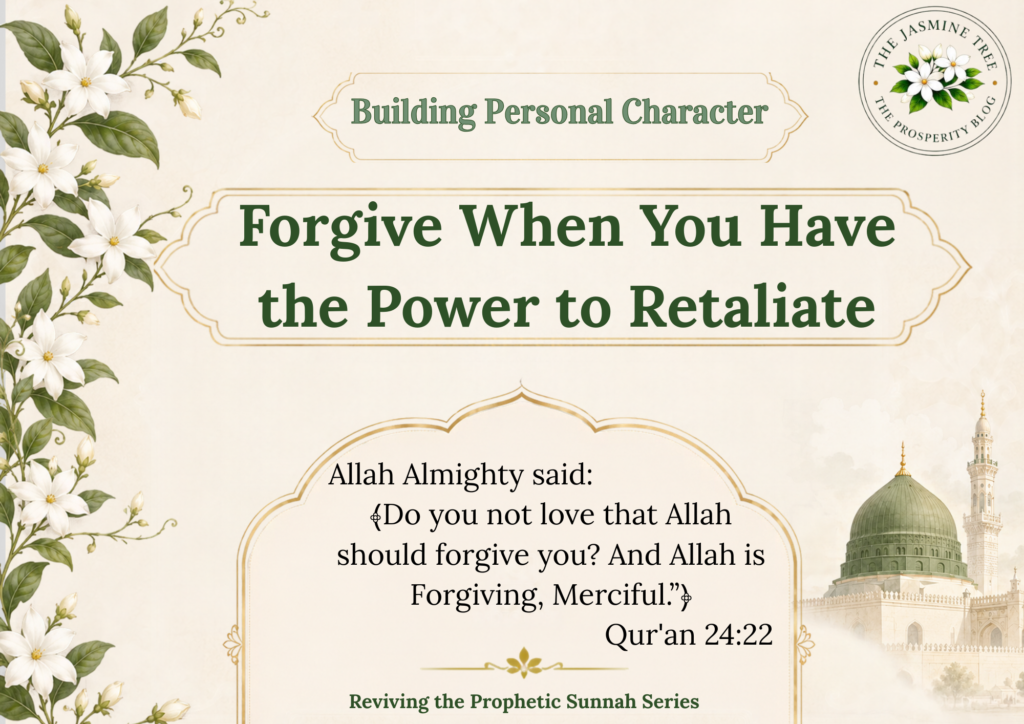
There is a kind of forgiveness that comes because we have no choice. We may be too young to answer back, too weak to defend ourselves, too alone to confront what happened, too dependent to walk away, too broken to fight, too unsupported to demand justice, too afraid to speak, or too overwhelmed even to explain what was done to us.
Someone may have wronged you at such a time:
- Wronged you when you were young.
- Oppressed you when you had no power.
- Judged you without knowing your story.
- Humiliated you in front of others.
- Spoke badly about you behind your back.
- Believed the worst about you.
- Spread something false about you.
- Accused you of something you never did.
- Questioned your intentions.
- Damaged your reputation.
- Betrayed a confidence you entrusted to them.
- Abandoned you when you desperately needed someone.
- Turned away while you were in distress.
- Withheld help although they could have helped.
- Neglected you.
- Excluded you.
- Used your weakness for their advantage.
- Took your kindness for weakness.
- Took your rights.
- Denied your contribution.
- Took credit for something you had done.
- Favored others unjustly over you.
- Mocked you.
- Insulted you.
- Made you feel small.
- Failed to defend you when others attacked you.
- Allowed you to carry a burden alone.
- Broke a promise.
- Betrayed a friendship.
- Betrayed a family bond.
- Cut you off.
- Turned relatives or friends against you.
- Repeated your private words to others.
- Misrepresented what you said.
- Assumed something evil about you.
- Punished you for something that was not your fault.
- Or simply disappeared at the moment you needed them most.
At the time, perhaps there was very little you could do, so you carried it. Perhaps you carried it for years.
But years pass. The frightened young person grows older. The person who had no voice finds one. The financially dependent becomes independent. The lonely person builds a community. The weak person becomes strong. The unknown person gains influence. The person who once needed others now has resources, authority, knowledge, connections, or simply the ability to answer back.
Then one day the balance changes.
Now you can retaliate. You can expose what they did, embarrass them as they embarrassed you, tell everyone what you know, deny them the help they once denied you, close the door in their face, use your influence against them, or finally make them feel some of what they once made you feel.
And perhaps no one would blame you.
This is where forgiveness becomes something entirely different. It is no longer the forgiveness of someone who cannot retaliate. It is the forgiveness of someone who can—and chooses not to.
Not because the wound was imaginary. Not because the injustice was acceptable. Not because what happened suddenly became right. But because, standing there with the power to repay it, you remember Allah and decide:
I could take something from you today, but I would rather receive something from Allah tomorrow.
The Qur’an does not deny the right of an oppressed person to justice. Allah says:
﴾وَجَزَاءُ سَيِّئَةٍ سَيِّئَةٌ مِّثْلُهَا ۖ فَمَنْ عَفَا وَأَصْلَحَ فَأَجْرُهُ عَلَى اللَّهِ ۚ إِنَّهُ لَا يُحِبُّ الظَّالِمِينَ﴿
﴾The recompense of an evil is an evil like it. But whoever pardons and seeks reconciliation, his reward is with Allah. Indeed, He does not love the wrongdoers.﴿
Qur’an 42:40.
Allah then makes the right of the oppressed even clearer:
﴾وَلَمَنِ انتَصَرَ بَعْدَ ظُلْمِهِ فَأُولَٰئِكَ مَا عَلَيْهِم مِّن سَبِيلٍ﴿
﴾Whoever defends himself after having been wronged—there is no blame upon them.﴿
Qur’an 42:41.
He places the blame where it belongs:
﴾إِنَّمَا السَّبِيلُ عَلَى الَّذِينَ يَظْلِمُونَ النَّاسَ وَيَبْغُونَ فِي الْأَرْضِ بِغَيْرِ الْحَقِّ﴿
﴾Blame is only upon those who wrong people and transgress upon the earth without right.﴿
Qur’an 42:42.
Then Allah calls us to a higher station:
﴾وَلَمَن صَبَرَ وَغَفَرَ إِنَّ ذَٰلِكَ لَمِنْ عَزْمِ الْأُمُورِ﴿
﴾And whoever is patient and forgives—indeed, that is among the matters requiring great resolve.﴿
Qur’an 42:43.
The order is remarkable. Justice is permitted. The oppressor is condemned. The victim is not blamed for defending himself. And then forgiveness is elevated.
Forgiveness in Islam, therefore, does not mean pretending there was no injustice. It does not necessarily mean restoring a relationship or allowing someone unsafe back into your inner circle. It does not mean refusing legitimate accountability when other people remain at risk, nor does it mean abandoning healthy boundaries. A person may forgive while still saying, “You cannot have the same access to my life again.” Forgiveness, reconciliation, trust, accountability, and access are not identical things.
Allah describes the people of taqwā as:
﴾وَالْكَاظِمِينَ الْغَيْظَ وَالْعَافِينَ عَنِ النَّاسِ ۗ وَاللَّهُ يُحِبُّ الْمُحْسِنِينَ﴿
﴾Those who restrain anger and pardon people—and Allah loves those who excel in goodness.﴿
Qur’an 3:134.
There is a beautiful progression in this verse. First comes كَظْمُ الغَيْظ—restraining anger. You feel the anger. You know exactly what you could say. You know where their weakness lies. You could hurt them, but you contain yourself. Then comes وَالْعَافِينَ عَنِ النَّاسِ—they pardon people. And beyond even that comes وَاللَّهُ يُحِبُّ الْمُحْسِنِينَ—Allah loves those who reach the station of iḥsān.
At times, the believer can rise beyond merely withholding retaliation and respond to harm with something better. Allah says:
﴾وَلَا تَسْتَوِي الْحَسَنَةُ وَلَا السَّيِّئَةُ ۚ ادْفَعْ بِالَّتِي هِيَ أَحْسَنُ فَإِذَا الَّذِي بَيْنَكَ وَبَيْنَهُ عَدَاوَةٌ كَأَنَّهُ وَلِيٌّ حَمِيمٌ﴿
﴾Good and evil are not equal. Repel evil with what is better, and the one between whom and you there was enmity may become as though he were a devoted friend.”
Qur’an 41:34.
Allah immediately follows it with:
﴾وَمَا يُلَقَّاهَا إِلَّا الَّذِينَ صَبَرُوا وَمَا يُلَقَّاهَا إِلَّا ذُو حَظٍّ عَظِيمٍ﴿
﴾None is granted this except those who are patient, and none is granted it except one possessing a great share of goodness.﴿
Qur’an 41:35.
Anyone can be gentle with someone who has always been gentle with them. The real test may come when someone who once wounded you is placed in a position of vulnerability before you. You now have the power. What will you do with it?
Few stories illustrate this more powerfully than what happened to Abū Bakr al-Ṣiddīq, may Allah be pleased with him, after Ḥādithat al-Ifk—the Incident of the Slander.
Among those who became involved in spreading the terrible accusation against ʿĀʾishah, may Allah be pleased with her, was Misṭaḥ ibn Uthāthah, may Allah be pleased with him. Misṭaḥ was not a stranger to Abū Bakr. He was his relative, he was poor, and Abū Bakr had been financially supporting him.
Then Misṭaḥ became involved in words that struck at the honor of Abū Bakr’s beloved daughter, ʿĀʾishah, may Allah be pleased with her—the wife of the Messenger of Allah ﷺ.
Imagine the wound. Abū Bakr had helped this man and supported him from his own wealth, and that same man participated in spreading an accusation against his daughter of the most devastating kind.
After Allah revealed ʿĀʾishah’s innocence, Abū Bakr swore that he would no longer financially support Misṭaḥ. From a human perspective, the reaction is completely understandable. He did not oppress him. He simply decided that he would no longer give his own money to someone who had participated in harming his daughter.
Then Allah revealed:
﴾وَلْيَعْفُوا وَلْيَصْفَحُوا ۗ أَلَا تُحِبُّونَ أَن يَغْفِرَ اللَّهُ لَكُمْ ۗ وَاللَّهُ غَفُورٌ رَّحِيمٌ﴿
﴾Let not those among you who possess virtue and abundance swear not to give to relatives, the needy, and those who emigrated for Allah’s cause. Let them pardon and overlook. Do you not love that Allah should forgive you? And Allah is Forgiving, Merciful.﴿
Qur’an 24:22.
The question changes everything:
﴾أَلَا تُحِبُّونَ أَن يَغْفِرَ اللَّهُ لَكُمْ﴿
﴾Do you not love that Allah should forgive you?﴿
Abū Bakr, may Allah be pleased with him, responded that, by Allah, he indeed loved that Allah should forgive him, and he resumed his financial support of Misṭaḥ. According to the authentic narration of ʿĀʾishah, may Allah be pleased with her, he resolved never to stop supporting him again.
He did not merely say, “I forgive you.” He restored the very generosity that the man’s betrayal had caused him to withdraw.
Misṭaḥ had wronged someone who was helping to sustain him, yet Allah redirected Abū Bakr’s attention from the offense committed against him and his family to his own need for Allah’s forgiveness.
Perhaps this is one of the greatest secrets of forgiveness. We stop asking only, “What does this person deserve from me?” and begin asking, “What do I need from Allah?”
You may not forgive because the person deserves your forgiveness. You may forgive because you desperately need Allah’s. You know your own shortcomings, your hidden sins, your failures, your mistakes, your moments of negligence, and your need for mercy on a Day when nothing else can save you. Then the words of Allah return: “Do you not love that Allah should forgive you?”
Forgiveness also does not diminish the one who forgives. The Prophet ﷺ said:
«وَمَا زَادَ اللَّهُ عَبْدًا بِعَفْوٍ إِلَّا عِزًّا»
“Allah does not increase a servant who forgives except in honor.”
Ṣaḥīḥ Muslim.
We sometimes imagine that retaliation will restore our dignity, while Allah’s Messenger ﷺ tells us that forgiveness can increase it. The person who harmed you does not control your honor. Allah does.
The Prophet ﷺ also taught:
«لَيْسَ الشَّدِيدُ بِالصُّرَعَةِ، إِنَّمَا الشَّدِيدُ الَّذِي يَمْلِكُ نَفْسَهُ عِنْدَ الْغَضَبِ»
“The strong person is not the one who overpowers others. The strong person is the one who controls himself when angry.”
Ṣaḥīḥ al-Bukhārī and Ṣaḥīḥ Muslim.
Sometimes strength is demonstrated not by what you are capable of doing, but by what you are capable of doing and deliberately refuse to do.
- You possess the words—but remain silent.
- You possess the evidence—but do not humiliate.
- You possess influence—but do not abuse it.
- You know their weaknesses—but do not expose them.
- You know exactly where to strike—but refuse to become what once wounded you.
This was part of the character of the Messenger of Allah ﷺ. ʿĀʾishah, may Allah be pleased with her, described how he did not take revenge for personal wrongs done to him, while he remained firm when the sacred limits of Allah were violated.
That distinction matters. Forgiveness is not indifference to justice. There is an enormous difference between defending what is right and feeding a wounded ego. One asks, “What is right?” The other asks, “How can I make them hurt because they hurt me?”
Forgiveness can also have a profound effect on the person who once wronged us. Allah tells us:
﴾فَإِذَا الَّذِي بَيْنَكَ وَبَيْنَهُ عَدَاوَةٌ كَأَنَّهُ وَلِيٌّ حَمِيمٌ﴿
﴾…then the one between whom and you there was enmity may become as though he were a devoted friend.﴿
Qur’an 41:34.
Retaliation can create a cycle in which each side accumulates evidence against the other. Unexpected goodness can interrupt that cycle.
- Imagine someone who once abandoned you discovering years later that you are the person who helps them.
- Someone who damaged your reputation discovering that you protected theirs.
- Someone who withheld from you discovering that you gave to them.
- Someone who spoke harshly to you discovering gentleness from you.
- Someone who expected revenge encountering mercy instead.
Sometimes such a moment forces a person to look at themselves in a way punishment never could. Your forgiveness may awaken shame, gratitude, repentance, or a recognition of the wrong they committed years ago. It may transform an enemy into a friend.
And sometimes it will not.
The Qur’an does not ask us to pretend that every wrongdoer will change. Some will not. Some may interpret forgiveness as permission to continue. Some relationships require distance. Some injustices require authorities, courts, or other forms of accountability.
But even if they do not change, something profound can change in you.
The old wound no longer dictates your behavior. They no longer control the person you become. You refuse to allow yesterday’s injustice to manufacture tomorrow’s cruelty inside you.
Perhaps this is why forgiveness becomes especially beautiful when years have passed. Once you could not retaliate; now you can. Once your silence was imposed upon you; now your restraint is chosen. Once you walked away because you had no power; now you walk away although power is in your hands.
That is no longer helplessness. That is ʿafw—العفو.
You are capable of collecting the debt, but you release it because you seek a greater payment elsewhere.
Allah says:
﴾فَمَنْ عَفَا وَأَصْلَحَ فَأَجْرُهُ عَلَى اللَّهِ﴿
﴾Whoever pardons and seeks reconciliation—his reward is with Allah.﴿
Qur’an 42:40.
Allah does not specify an amount here. He simply says:
﴾فَأَجْرُهُ عَلَى اللَّهِ﴿
﴾His reward is with Allah.﴿
Some wounds are perhaps too deep for another human being to calculate what it cost you to forgive them. Allah knows. And Allah takes responsibility for the reward.
One day, circumstances may reverse completely. The person who once had power over you may now need you. Age may have changed them. Life may have humbled them. Their influence may have faded while yours has grown. You may suddenly realize that you are standing in the very moment you once imagined—the moment when you finally have the opportunity to answer everything.
Your nafs may whisper: Now remind them. Now expose them. Now deny them. Now make them understand.
Then another sentence may rise within your heart:
﴾أَلَا تُحِبُّونَ أَن يَغْفِرَ اللَّهُ لَكُمْ﴿
﴾Do you not love that Allah should forgive you?﴿
Suddenly, the story is no longer primarily about you and them. It becomes about you and Allah.
Perhaps your heart can then say:
O Allah, You know what they did when I was weak. You know what it cost me. You know the nights nobody saw. You know what I lost. You know what I carried. Today, You have given me the power to answer them, but I leave my personal revenge for Your sake. So forgive me as I have tried to forgive.
Perhaps this is one of the greatest victories a human being can experience—not victory over the person who hurt you, but victory over the part of yourself that wanted to become like them.
So forgive when you could expose. Forgive when you could embarrass. Forgive when you could deny. Forgive when you could hurt. Forgive when you could remind everyone what happened. Forgive when the balance of power finally shifts toward you.
Forgive, not because injustice is insignificant, but because Allah is greater.
Forgive, not because you forgot, but because you remember the Hereafter more.
Forgive, not because you are weak, but precisely because now you are strong.
Forgive, not necessarily because they deserve another chance, but because you desire another chance from Allah.
And when your heart asks, “Why should I forgive after everything they did?”, remember the question Allah revealed to Abū Bakr al-Ṣiddīq, may Allah be pleased with him:
﴾أَلَا تُحِبُّونَ أَن يَغْفِرَ اللَّهُ لَكُمْ﴿
﴾Do you not love that Allah should forgive you?”
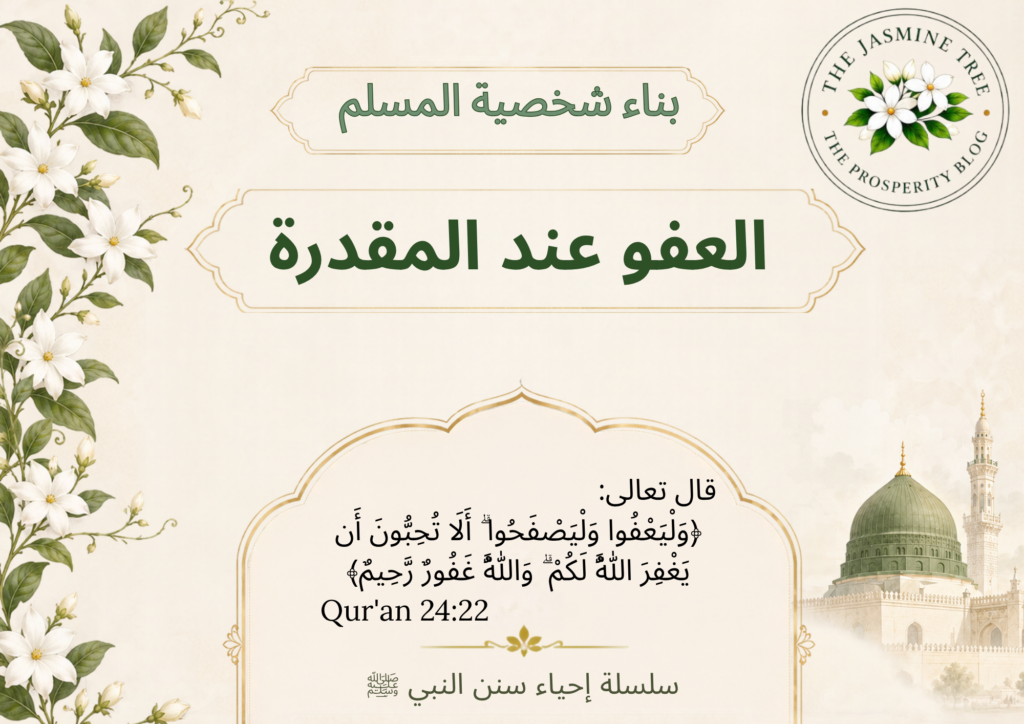
العفو عند القدرة على الانتقام
هناك نوع من العفو يأتي لأننا لا نملك خياراً آخر. قد نكون أصغر من أن نردّ، أو أضعف من أن ندافع عن أنفسنا، أو أوحد من أن نواجه ما حدث، أو أشد اعتماداً على غيرنا من أن نغادر، أو أكثر انكساراً من أن نقاوم، أو أقل دعماً من أن نطالب بالعدل، أو أخوف من أن نتكلم، أو أكثر إنهاكاً من أن نشرح حتى ما جرى لنا.
:وقد يقع الظلم في أشكال كثيرة
ظلمك وأنت صغير
قهرك حين لم تكن تملك قوة
حكم عليك من غير أن يعرف قصتك
أهانك أمام الناس
تكلم عنك بسوء من وراء ظهرك
صدق عنك أسوأ الظنون
نشر عنك أمراً باطلاً
اتهمك بما لم تفعل
شكك في نياتك
أضر بسمعتك
خان سراً ائتمنته عليه
تركك حين كنت في أمسّ الحاجة إلى أحد
أعرض عنك وأنت في شدة
حجب عنك المساعدة مع قدرته عليها
أهملك
استبعدك
استغل ضعفك لمصلحته
عدّ لطفك ضعفاً
سلبك حقك
أنكر فضلك
نسب لنفسه عملاً قمت أنت به
فضّل غيرك عليك بغير حق
سخر منك
أهانك
أشعرك بالدونية
لم يدافع عنك حين هاجمك الآخرون
تركك تحمل عبئاً وحدك
أخلف وعداً
خان صداقة
خان رابطة عائلية
قطعك
حرّض الأقارب أو الأصدقاء عليك
أفشى سرك
شوّه كلامك أو حرّفه
أساء الظن بك
عاقبك على أمر لم يكن ذنبك
أو اختفى ببساطة في اللحظة التي كنت تحتاجه فيها أكثر من أي وقت
في ذلك الوقت ربما لم يكن بوسعك أن تفعل الكثير، فحملت ما وقع عليك ومضيت، وربما بقي أثره في داخلك سنوات طويلة. لكن السنوات تمضي، والإنسان يتغير، والظروف تتبدل. ذلك الصغير يكبر، والذي لم يكن له صوت يجد صوته، والمعتمد على غيره يستقل، والوحيد يجد من يسانده، والضعيف يصبح أقوى، ومن كان لا يملك شيئاً قد يصبح صاحب مال أو علم أو نفوذ أو مكانة أو قدرة على الرد.
وهنا تتغير طبيعة الامتحان
فأنت لم تعد عاجزاً عن الانتقام. صار في وسعك أن تفضح، أو تحرج، أو ترد الإساءة بمثلها، أو تمنع عونك عمّن منعك، أو تستخدم ما صار في يدك من قوة لتذيق من ظلمك بعض ما أذاقك. وربما لو فعلت ذلك لما لامك كثير من الناس.
لكن العفو في هذه اللحظة يصبح شيئاً آخر تماماً. لم يعد عفو العاجز الذي لا يملك الرد، بل عفو القادر الذي يملك أدوات الانتقام ثم يختار أن يتركها لله.
لا لأن الجرح لم يكن حقيقياً، ولا لأن الظلم صار مقبولاً، ولا لأن ما حدث أصبح صواباً، بل لأنك حين امتلكت القدرة على الرد تذكرت الله وقلت في نفسك: أستطيع أن آخذ منك شيئاً اليوم، لكنني أريد أن آخذ من الله غداً
والقرآن لا ينكر على المظلوم حقه في العدل، بل يقرره بوضوح، ثم يفتح أمامه باباً أعلى إن استطاع أن يدخله
:قال الله تعالى
﴾وَجَزَاءُ سَيِّئَةٍ سَيِّئَةٌ مِّثْلُهَا ۖ فَمَنْ عَفَا وَأَصْلَحَ فَأَجْرُهُ عَلَى اللَّهِ ۚ إِنَّهُ لَا يُحِبُّ الظَّالِمِينَ﴿
سورة الشورى: 40
:ثم قال
﴾وَلَمَنِ انتَصَرَ بَعْدَ ظُلْمِهِ فَأُولَٰئِكَ مَا عَلَيْهِم مِّن سَبِيلٍ﴿
سورة الشورى: 41
:ثم وضع اللوم حيث يجب أن يكون
﴾إِنَّمَا السَّبِيلُ عَلَى الَّذِينَ يَظْلِمُونَ النَّاسَ وَيَبْغُونَ فِي الْأَرْضِ بِغَيْرِ الْحَقِّ﴿
سورة الشورى: 42
:ثم رفع أهل الصبر والعفو إلى منزلة أسمى
﴾وَلَمَن صَبَرَ وَغَفَرَ إِنَّ ذَٰلِكَ لَمِنْ عَزْمِ الْأُمُورِ﴿
سورة الشورى: 43
هذا الترتيب بالغ الدلالة. العدل مشروع، والظالم مذموم، والمظلوم لا إثم عليه إذا انتصر لنفسه، ثم يأتي العفو باعتباره مرتبة أعلى لمن قدر عليها
لذلك فالعفو في الإسلام لا يعني إنكار الظلم، ولا يعني بالضرورة إعادة العلاقة إلى ما كانت عليه، ولا يعني إعادة شخص غير مأمون إلى دائرة حياتك الخاصة، ولا إلغاء المحاسبة إذا كان في استمرار الخطأ خطر على الآخرين. كما أن العفو لا يعني التنازل عن الحدود التي تحفظ النفس والكرامة. فقد تعفو عن إنسان في قلبك، ومع ذلك تقول له بوضوح: لن يكون لك الدخول نفسه إلى حياتي بعد اليوم. فالعفو شيء، والمصالحة شيء، والثقة شيء، والمحاسبة شيء آخر
:وقد وصف الله أهل التقوى فقال
﴾وَالْكَاظِمِينَ الْغَيْظَ وَالْعَافِينَ عَنِ النَّاسِ ۗ وَاللَّهُ يُحِبُّ الْمُحْسِنِينَ﴿
سورة آل عمران: 134
وفي هذه الآية انتقال من مقام إلى مقام. يبدأ الأمر بكظم الغيظ، أي أن يشعر الإنسان بالغضب ويعرف ما يمكن أن يقوله أو يفعله ثم يملك نفسه. ثم يرتقي إلى العفو عن الناس. ثم يفتح له باب الإحسان، وهو مقام أعلى من مجرد ترك الانتقام
:ولهذا قال الله تعالى
﴾وَلَا تَسْتَوِي الْحَسَنَةُ وَلَا السَّيِّئَةُ ۚ ادْفَعْ بِالَّتِي هِيَ أَحْسَنُ فَإِذَا الَّذِي بَيْنَكَ وَبَيْنَهُ عَدَاوَةٌ كَأَنَّهُ وَلِيٌّ حَمِيمٌ﴿
سورة فصلت: 34
:ثم قال
﴾وَمَا يُلَقَّاهَا إِلَّا الَّذِينَ صَبَرُوا وَمَا يُلَقَّاهَا إِلَّا ذُو حَظٍّ عَظِيمٍ﴿
سورة فصلت: 35
فالإحسان إلى من أحسن إليك أمر يسير نسبياً، أما الامتحان الحقيقي فيظهر حين يصبح من جرحك يوماً في موضع ضعف أمامك، وتصبح القوة في يدك أنت. عندها يظهر ما في القلب
ومن أبلغ ما وقع في هذا الباب قصة أبي بكر الصديق رضي الله عنه مع مِسطح بن أُثاثة رضي الله عنه بعد حادثة الإفك. كان مسطح من قرابة أبي بكر، وكان فقيراً، وكان أبو بكر ينفق عليه من ماله. ثم كان مسطح ممن خاضوا في الكلام الذي مس عرض عائشة رضي الله عنها، ابنة أبي بكر وأم المؤمنين وزوج رسول الله ﷺ
تخيل وقع ذلك على قلب أبي بكر. رجل أحسن إليه وأعانه من ماله، ثم شارك في نشر اتهام من أشد ما يمكن أن يصيب أباً في ابنته
فلما أنزل الله براءة عائشة رضي الله عنها، حلف أبو بكر ألا ينفق على مسطح بعد ذلك. ومن الناحية البشرية، كان موقفه مفهوماً تماماً. فهو لم يظلمه ولم يعتد عليه، وإنما قرر ألا يستمر في الإنفاق على من شارك في أذى ابنته
:فنزل قول الله تعالى
ۖ ﴾وَلْيَعْفُوا وَلْيَصْفَحُوا ۗ أَلَا تُحِبُّونَ ﴾أَن يَغْفِرَ اللَّهُ لَكُمْ ۗ وَاللَّهُ غَفُورٌ رَّحِيمٌ
سورة النور: 22
:وجاء السؤال الذي غيّر الموقف كله
(أَلَا تُحِبُّونَ أَن يَغْفِرَ اللَّهُ لَكُمْ﴿
قال أبو بكر رضي الله عنه: بلى والله، إني لأحب أن يغفر الله لي، ثم عاد إلى الإنفاق على مسطح
ولم يكن الأمر مجرد قول: “سامحته”، بل أعاد الإحسان الذي كان قد أوقفه بسبب أذاه. وهنا يتحول النظر من سؤال: ماذا يستحق هذا الشخص مني؟ إلى سؤال أشد عمقاً: ماذا أحتاج أنا من الله؟
قد لا تعفو لأن الآخر يستحق عفوك، بل لأنك أنت تحتاج إلى عفو الله. فأنت تعرف تقصيرك، وذنوبك الخفية، وسقطاتك، وغفلتك، وحاجتك إلى رحمة الله يوم تقف بين يديه. وحينئذ يكتسب سؤال الآية معنى آخر في قلبك:
(أَلَا تُحِبُّونَ أَن يَغْفِرَ اللَّهُ لَكُمْ)
والعفو لا يُنقص من كرامة صاحبه، بل قال رسول الله ﷺ
«وَمَا زَادَ اللَّهُ عَبْدًا بِعَفْوٍ إِلَّا عِزًّا»
رواه مسلم
وقد يظن الإنسان أن رد الإساءة هو الذي سيعيد له كرامته، بينما يخبره النبي ﷺ أن الله يزيد العافي عزاً. فالذي ظلمك لا يملك كرامتك، ولا يستطيع أن يمنحك عزاً أو يسلبك إياه، وإنما العزة بيد الله
:وقال النبي ﷺ
«لَيْسَ الشَّدِيدُ بِالصُّرَعَةِ، إِنَّمَا الشَّدِيدُ الَّذِي يَمْلِكُ نَفْسَهُ عِنْدَ الْغَضَبِ»
رواه البخاري ومسلم
فالقوة ليست دائماً فيما تقدر على فعله، بل قد تكون في قدرتك على الفعل ثم امتناعك عنه اختياراً
تملك الكلمات، لكنك تسكت
تملك الدليل، لكنك لا تُذل
تملك النفوذ، لكنك لا تسيء استخدامه
تعرف نقاط ضعفهم، لكنك لا تفضحهم
تعرف تماماً أين تضرب، لكنك ترفض أن تصبح نسخة ممن آذاك
وكان هذا من هدي رسول الله ﷺ، فقد وصفت عائشة رضي الله عنها أنه لم يكن ينتقم لنفسه إذا أوذي في حق شخصي، مع ثباته إذا انتهكت حرمات الله
وهذا التفريق ضروري. فالعفو ليس تخلياً عن العدل، وهناك فرق كبير بين من يسعى إلى رد الحق ومن يسعى إلى إرضاء نفس مجروحة تريد أن ترى الآخر يتألم. الأول يسأل: ما الصواب؟ والثاني يسأل: كيف أجعله يتألم كما آلمني؟
:وللعفو أيضاً أثر قد يمتد إلى من ظلمك نفسه. قال الله تعالى
﴾فَإِذَا الَّذِي بَيْنَكَ وَبَيْنَهُ عَدَاوَةٌ كَأَنَّهُ وَلِيٌّ حَمِيمٌ﴿
سورة فصلت: 34
فالانتقام قد يصنع دائرة لا تنتهي، كل طرف يؤذي الآخر ثم يحتفظ بألمه مبرراً لأذى جديد. أما الإحسان غير المتوقع فقد يقطع هذه الدائرة، وقد يجعل الإنسان يرى نفسه بطريقة لم يستطع العقاب أن يجعله يراها
تخيل شخصاً تركك يوماً ثم يكتشف بعد سنوات أنك أنت من يعينه
شخصاً أضر بسمعتك ثم يجد أنك تحفظ سمعته
شخصاً منع عنك خيراً ثم يجدك تعطيه
شخصاً تكلم معك بقسوة ثم يجد منك الرفق
شخصاً كان ينتظر الانتقام فيفاجأ بالرحمة
وقد يوقظ العفو في قلبه خجلاً، أو امتناناً، أو توبة، أو مراجعة طويلة لما فعل. وقد يحول عدواً إلى ولي حميم. وقد لا يحدث شيء من ذلك
فالقرآن لا يطلب منا أن نتصور أن كل ظالم سيتغير. بعض الناس قد لا يتغير، وبعضهم قد يسيء فهم العفو فيراه إذناً بالاستمرار، وبعض العلاقات تحتاج إلى مسافة، وبعض المظاiiلم تحتاج إلى قضاء أو جهة مختصة أو محاسبة
لكن حتى إن لم يتغيروا هم، فقد يتغير فيك أنت شيء أعظم. لم يعد الجرح القديم هو الذي يملي عليك سلوكك، ولم يعد من ظلمك يملك القدرة على تحديد الشخص الذي ستصبح عليه. أنت ترفض أن تجعل ظلم الأمس يصنع قسوة الغد في داخلك
ولعل العفو يصبح أجمل حين تمر السنوات وتتبدل الموازين. ففي السابق لم تكن تستطيع الرد، أما الآن فتستطيع. كان صمتك مفروضاً عليك، أما الآن فضبطك لنفسك اختيار. كنت تنسحب لأنك لا تملك القوة، أما الآن فتمضي والقوة في يدك
هذا لم يعد عجزاً. هذا هو العفو
أنت قادر على استيفاء الدين، لكنك تتركه لأنك تطلب عوضاً أعظم من الله
:قال تعالى
﴾فَمَنْ عَفَا وَأَصْلَحَ فَأَجْرُهُ عَلَى اللَّهِ﴿
سورة الشورى: 40
ولم يحدد الله مقدار هذا الأجر، بل قال:
(فَأَجْرُهُ عَلَى اللَّهِ)
فبعض الجراح أعمق من أن يعرف بشر مقدار ما كلفك العفو عنها، لكن الله يعلم، والله تكفل بالأجر
وقد يأتي يوم تنقلب فيه الأحوال تماماً. من كان يوماً أقوى منك قد يحتاج إليك، وقد يكون العمر قد غيره، أو تكون الحياة قد خففت من قوته وكبريائه، بينما أصبحت أنت أقدر وأثبت وأوسع نفوذاً. وفجأة تجد نفسك أمام اللحظة التي تخيلتها طويلاً: اللحظة التي صار في إمكانك فيها أن ترد كل شيء
قد تقول النفس: الآن ذكّره. الآن افضحه. الآن امنع عنه. الآن اجعله يذوق بعض ما ذقت
:ثم يرتفع في القلب قول الله
(أَلَا تُحِبُّونَ أَن يَغْفِرَ اللَّهُ لَكُمْ)
وعندها لا تعود القصة مجرد قصة بينك وبين من ظلمك، بل تصبح قصة بينك وبين الله
وقد يقول قلبك حينها: يا الله، أنت تعلم ما فعلوه بي حين كنت ضعيفاً، وتعلم ما كلّفني ذلك، وتعلم الليالي التي لم يرها أحد، وتعلم ما فقدت، وتعلم ما حملت، واليوم أعطيتني القدرة على أن أرد عليهم، لكنني أترك انتقامي الشخصي لأجلك، فاغفر لي كما حاولت أن أعفو
ولعل هذا من أعظم الانتصارات التي يمكن أن يبلغها الإنسان: ليس الانتصار على من آذاه، بل الانتصار على الجزء في نفسه الذي كان يريد أن يصبح مثله
فاعفُ حين تستطيع أن تفضح، واعفُ حين تستطيع أن تحرج، واعفُ حين تستطيع أن تحرم، واعفُ حين تستطيع أن تؤذي، واعفُ حين تستطيع أن تذكّر الجميع بما حدث، واعفُ حين تنقلب موازين القوة أخيراً لصالحك
اعفُ لا لأن الظلم أمر يسير، بل لأن الله أكبر. واعفُ لا لأنك نسيت، بل لأنك تذكر الآخرة أكثر. واعفُ لا لأنك ضعيف، بل لأنك الآن قوي. واعفُ ليس بالضرورة لأنهم يستحقون فرصة أخرى، بل لأنك تطمع في فرصة أخرى عند الله
:وحين يسأل قلبك: لماذا أعفو بعد كل ما فعلوه؟ فتذكّر السؤال الذي أنزله الله في أبي بكر الصديق رضي الله عنه
